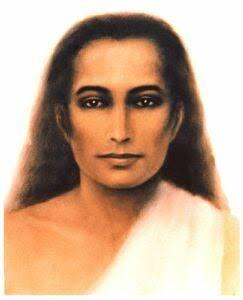
Mahavatar Babaji
“The deathless yogi of the Himalayas”
At a Glance
- Known as
- Babaji, the Deathless Guru
- Tradition
- Kriya Yoga lineage
- Reputed abode
- Badrinath region, Himalayas
- Introduced to world
- Autobiography of a Yogi (1946)
- Core gift
- Reviving Kriya Yoga for the modern age
- Appearance
- Eternal youth — said to be centuries old
Stories & Legends
The Guru Who Needs No Introduction
For centuries, stories of a youthful sage wandering the high Himalayas circulated among pilgrims and sadhus. He was said to appear to earnest seekers, guide them, and vanish. Villagers in the Kumaon and Garhwal regions spoke of him across generations without ever agreeing on his age or origin.
— Himalayan oral tradition
Reviving Kriya Yoga
In 1861, Babaji is said to have initiated Lahiri Mahasaya into Kriya Yoga in a cave near Ranikhet — restarting an ancient science lost to obscurity. Through the lineage of Lahiri Mahasaya → Sri Yukteswar → Paramahansa Yogananda, this practice reached millions worldwide.
— Autobiography of a Yogi
The Meeting at Ranikhet
Yogananda narrates how Lahiri Mahasaya, posted as an accountant in the army, climbed the Dunagiri hills on leave and encountered a radiant young sadhu who called him by name and revealed knowledge of his past lives. There, in that cave, Kriya Yoga was given back to the world.
— Autobiography of a Yogi
Symbolism Decoded
🔱 Deathlessness
Not mere longevity — the teaching that breath mastered is mortality transcended; Kriya Yoga works directly on prana.
🔱 The Cave
The inner sanctuary — highest instruction happens in silence, away from noise.
🔱 Remaining Hidden
True guidance seeks no fame; the guru appears when the student is ready, not when the crowd gathers.
Forms & Manifestations
The Radiant Youth
Described as physically young with long coppery hair — unchanged across generations of sightings.
The Hidden Guide
Appearing rarely, only to sincere seekers; tradition holds he guides the lineage from behind the veil.
Sacred Texts & Mantras
Babaji's Kriya Invocation
ॐ क्रिया बाबाजी नमः
Om Kriya Babaji Namaha
"Salutations to Babaji of the Kriya path" — chanted by practitioners before meditation to attune to the lineage.
How to Worship
Simple daily puja
Sit for silent meditation at a fixed time daily. Before beginning, inwardly bow to the Kriya lineage. No ritual paraphernalia is required — regularity of practice is itself the offering.
Traditional offerings
- Silent meditation (the highest offering)
- A candle or ghee lamp during evening practice
- Study of Autobiography of a Yogi
- Service rendered anonymously
About vrat (fasting): Practitioners traditionally keep silence one evening weekly, dedicating it to deeper meditation.
Famous Temples
🛕 Kriya Kundalini Peeth, Dunagiri
Dunagiri (near Ranikhet), Uttarakhand
Near the cave where Lahiri Mahasaya received initiation; pilgrims meditate on the slopes associated with Babaji's appearances.
Best time to visit: April–June and September–November
🛕 Badrikashram Region
Badrinath, Uttarakhand
Yogananda writes that Babaji dwells with a small band of disciples in the Badrinath Himalayas, appearing rarely to the world below.
Festivals
🎉 Kriya Lineage Day
Observed by lineages worldwide (dates vary)
Meditation gatherings honoring the guruparampara — Babaji, Lahiri Mahasaya, Sri Yukteswar, Paramahansa Yogananda.
Frequently Asked Questions
▸Is Mahavatar Babaji a real historical figure?
He enters recorded history through Paramahansa Yogananda's 'Autobiography of a Yogi' (1946) and the Kriya Yoga lineage. Devotees regard him as a living immortal master; historians treat him as a figure of faith and tradition.
▸Why is he called 'Mahavatar'?
'Maha-avatar' means great descent — a being believed to descend into flesh ages ago to keep the Kriya Yoga path alive for humanity.
▸How can one connect with Babaji?
The lineage teaches: regular meditation, remembrance of the divine, and selfless service. Tradition says he responds to sincerity, not spectacle.